
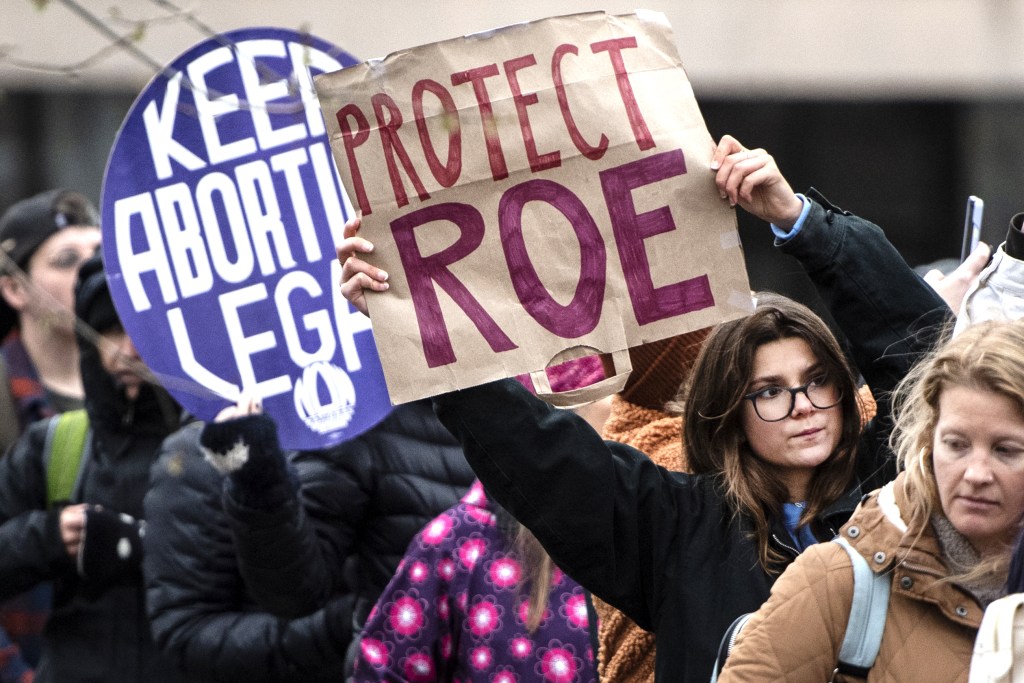
This past summer, the United States Supreme Court overturned Roe v. Wade with Dobbs v. Jackson, leaving the right to have an abortion to be decided by states. Following the recent midterm elections, and new precedents challenging women’s rights to bodily autonomy in Ohio, this poses major concerns for the well-being and safety of women throughout the state. What will the repercussions of new legislation mean for women’s reproductive rights?
In June, the Supreme Court ruled in Dobbs v. Jackson that the U.S. Constitution does not confer a right to abortion, leaving it to states to decide if and when they will provide women with access to abortions. In 2019, Governor Mike Dewine signed Senate Bill 23 (SB 23), which paved the way for additional barriers to be implemented for abortion. Once the SCOTUS ruling in Dobbs v. Jackson was made, SB 23 immediately went into effect, allowing women the right to have an abortion until embryonic cardiac activity is detectable. This allows women access to abortion for just 6 weeks, compared to the 22 weeks they were given under the previous legislation. This timeframe also applies in cases of rape or incest.
Given the dramatic change in the legislation, it has already had many consequences. On October 7th, the Hamilton County Court of Common Pleas granted a preliminary injunction against SB 23, temporarily banning the 6-week “heartbeat” bill until further legislation is decided. Within the first few months of the bill being in effect, a teenage girl was put on suicide watch because she could not access an abortion; multiple women also had to travel out of state due to life threatening conditions that required them to get abortions. Although the law technically allows for abortion in these women’s cases, the new legislation raised questions about existing policy and many healthcare providers were fearful of being prosecuted.
While we are currently under the 22-week legislation until further policy decisions are made, the recent midterm elections, and in particular the new Ohio State Supreme Court seats, will likely result in changing legislation that will bring SB 23 back into effect. While pro-life advocates argue that having stricter abortion laws will regulate their frequency, it will actually do the opposite, resulting in additional barriers and dangers for women in Ohio.
According to a 2018 NIH study, it takes, on average, 5.5 weeks for a woman to know she is pregnant. Given these statistics, many women have extreme difficulty meeting the 6 week deadline that SB 23 requires. These unrealistic expectations result in women having to use their own resources to cross state-lines to receive procedures, or worse, pursue more dangerous alternatives. Some of the consequences of traveling large distances for abortion care are increased costs, delays in care, inability to receive one’s preferred method of care, and increased stress.
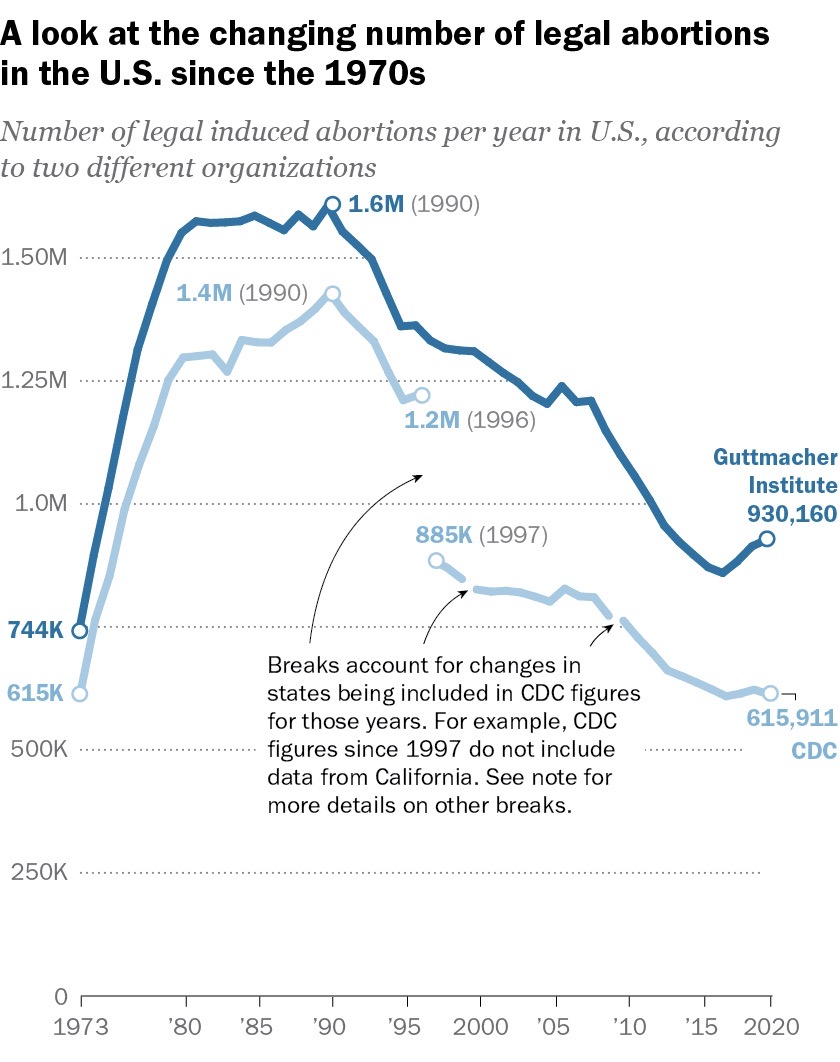
As has been demonstrated in the past, restricting access to abortions will not regulate them, it will only result in women resorting to more dangerous and unsafe forms of abortion care. According to Harvard Professor Ana Langer, “banning abortion in the U.S. would lead to a 21% increase in the number of pregnancy-related deaths overall and a 33% increase among Black women, simply because staying pregnant is more dangerous than having an abortion.” Building on this point, since the 1990s, the number of abortions in the U.S. has steadily declined —all while abortion has been accessible and legal. In 1990 there were approximately 1.6 million abortions performed in the U.S., compared to 625,346 in 2019.
Like many policies in the U.S., this policy change will have the most detrimental impacts on those who are economically disadvantaged and lack the resources to cross state borders to seek proper healthcare. The women who are living in the poorest conditions, with the fewest resources, will endure the worst consequences from these new laws. Is the government’s intent to limit abortions, or to create more barriers for those who are already systematically disadvantaged in our society?
Now that the midterm elections have concluded, and the Republicans have one more seat on the court, stricter abortion laws are likely to go into effect. The temporary ban on the 6-week limit has been appealed and is expected to make its way up to the Ohio State Supreme Court sometime in 2023. Regardless of one’s personal opinions about abortion, the 6-week abortion law is an unfair restriction on women that targets minorities and those who are less privileged. At what point do we draw the line? When do we hold our elected officials accountable and demand that new legislation be created to support and protect the women who they were elected to represent?
 miamipoliticalreview.org
Leave a comment